
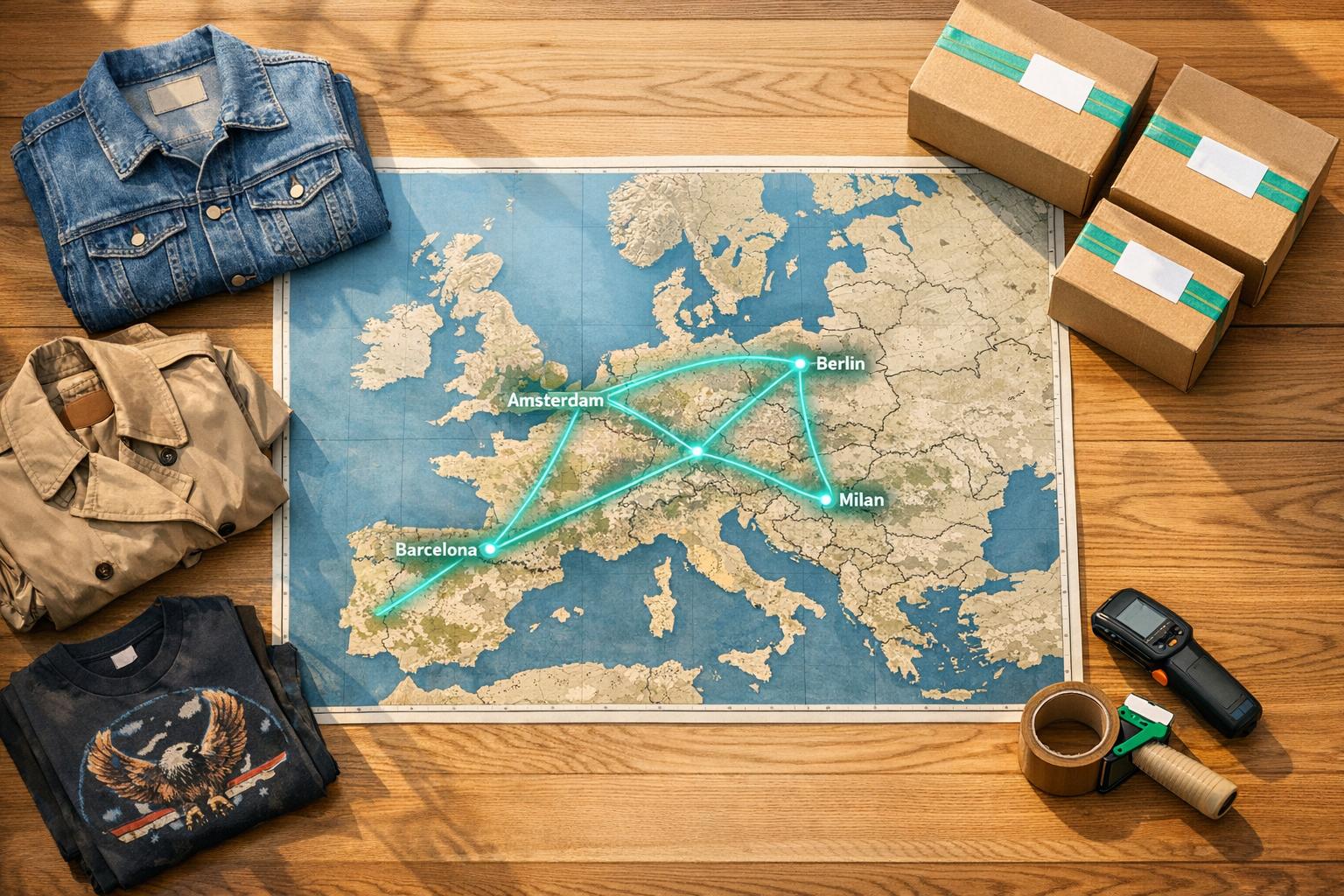
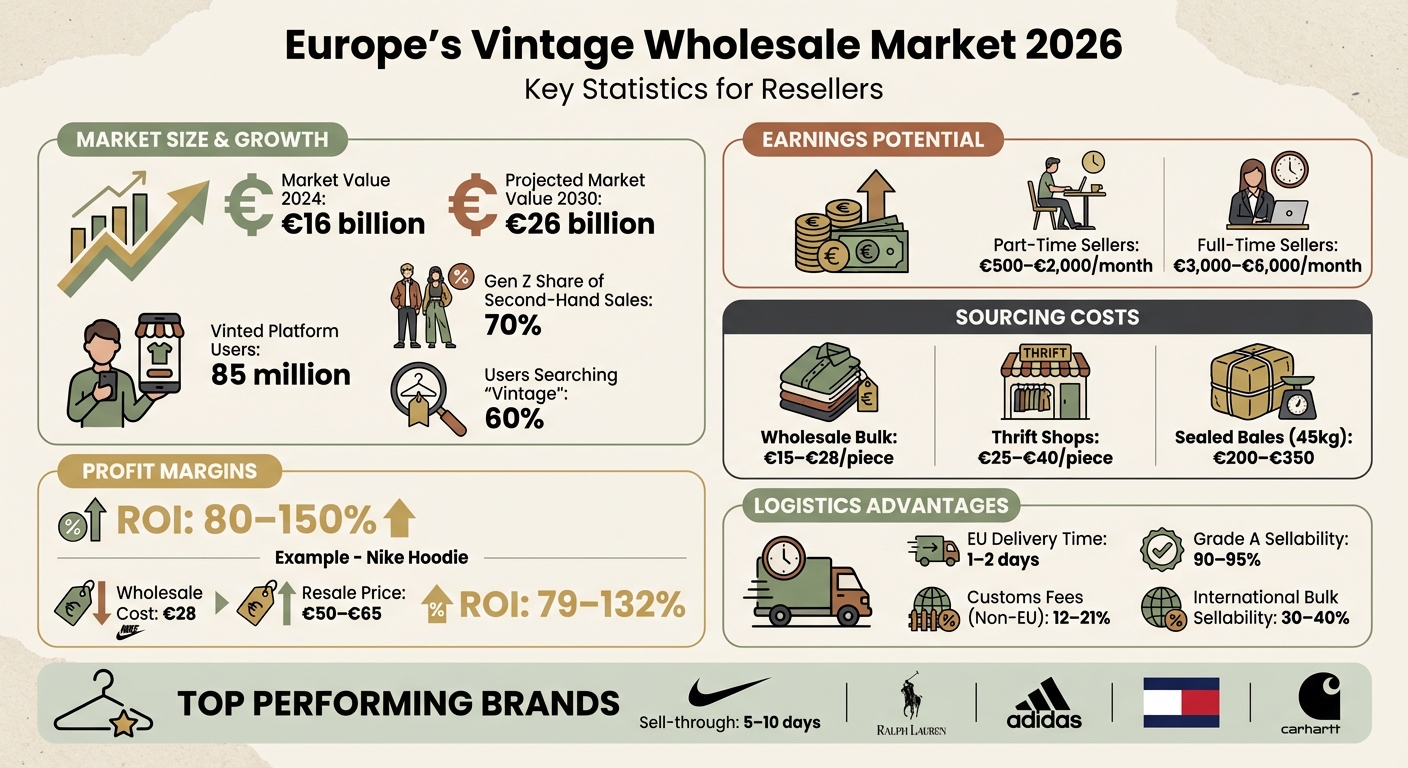
In 2026, Europe's vintage wholesale market is booming, driven by Gen Z, who make up 70% of second-hand sales. Platforms like Vinted now have 85 million users, making reselling a lucrative side hustle or even a full-time business. Here’s what you need to know to get started:
- Earnings: Part-time sellers earn between €500–€2.000/month, while full-timers make €3.000–€6.000/month.
- Wholesale Costs: Buy in bulk for €15–€28/piece, cheaper than thrift shops (€25–€40).
- Profit Margins: Resellers see 80–150% ROI, with branded items like Nike hoodies selling for €50–€65.
- Sourcing Options: Choose from sealed bales, curated packs, or kilo sales. Local EU suppliers offer faster delivery (1–2 days) and no customs fees.
- Key Trends: Y2K styles, preppy looks, and sportswear brands like Nike and Ralph Lauren are in high demand.
- Automation Tools: Platforms like VintiePlus help resellers source and sell efficiently, saving time and boosting profits.
Europe’s efficient logistics, no customs fees within the EU, and growing demand for sustainable fashion make it an ideal hub for vintage reselling. Whether you’re just starting or looking to scale, this guide breaks down sourcing, pricing, and automation strategies to turn your passion into profit.
Europe Vintage Wholesale Market Statistics 2026: Earnings, Costs & ROI
How Resellers Source Premium Vintage Clothing in Europe (1-Day Shipping Supplier)
sbb-itb-d4aa959
Why Europe Works Well for Vintage Wholesale
Europe has become a prime destination for vintage wholesale, thanks to its rich fashion history, efficient logistics, and a growing base of environmentally-conscious shoppers. France currently holds the largest share of the vintage market, while Spain and Italy are experiencing the fastest growth rates. This regional variety offers access to a wide range of styles and designs from different eras. Such diversity provides valuable opportunities for tailoring inventory and refining supplier choices.
Growth of Secondhand Fashion in Europe
The secondhand fashion market in Europe is booming. Valued at nearly €16 billion in 2024, it's expected to grow to around €26 billion by 2030. This surge is fueled by a mix of affordability and a shift toward sustainable shopping habits, with Gen Z leading the way - 70% of them purchase secondhand clothing, and 60% of users on major platforms actively search for "vintage" items. The Y2K aesthetic is particularly popular, driving demand for low-rise jeans, velour fabrics, and bold silhouettes. Social media platforms like TikTok and Instagram amplify these trends, turning local European fashion history into global phenomena. Additionally, the preppy style has seen a resurgence, with brands like Ralph Lauren experiencing increased sales of polos and knitwear across Europe.
Advantages of Sourcing in Europe
Sourcing vintage wholesale within Europe comes with several logistical and financial perks. For starters, delivery times within the EU are typically just 1–2 days. By sourcing locally, you can completely avoid customs fees, which can range from 12–21% for imports from outside the EU. Shipping costs are also more manageable, with many suppliers offering free shipping on orders over €100–€500, while international shipping often adds €30–€80 or more per order.
Another major advantage is quality. European wholesalers often provide "Grade A" curated stock, with 90–95% of items being sellable, whereas international bulk orders might include 30–40% unsellable pieces. Additionally, EU suppliers streamline operations by offering invoicing and VAT processing. If your business has a valid European VAT number, you can often deduct VAT directly at checkout. Some suppliers even allow handpick appointments at their warehouses, giving you the chance to select items individually. These benefits make sourcing in Europe an efficient and cost-effective way to scale your vintage wholesale business.
Vintage Inventory Types and Where to Source Them
When diving into vintage wholesale, you'll find a few distinct formats to choose from. Sealed bales are tightly compressed bundles of second-hand clothing, typically weighing between 45–100 kg. These arrive unopened, offering the lowest cost per item but with a significant gamble - there’s no way to know what’s inside until you open them. This option suits businesses that process large volumes and can handle the sorting workload.
Curated packs, on the other hand, are smaller, pre-sorted batches ranging from 5–25 kg or 3–20 pieces. These are often categorized by quality (Grade A) and specific styles, making them ready for resale. While the cost per unit is higher, the risk is much lower. For new sellers, starter boxes with just 2–3 items cost between €45 and €95. Premium branded packs, which contain 10–20 items, can range from €225 to €560. Another option, kilo sales, involves purchasing clothing by weight, with minimum orders starting at 200+ kg. This format is perfect for large retailers or exporters who benefit from bulk discounts. These options let resellers pick a strategy based on their budget and risk tolerance.
Common Inventory Formats Explained
Sealed bales are priced at around €200–€350 for 45 kg, offering the best value per kilogram. However, they require significant effort to sort and process. Curated packs, which cost approximately €8–€12 per kilogram, eliminate much of the guesswork. For those who prefer sourcing individual pieces, charity shops offer excellent quality control. But this method is time-intensive, often taking 4–6 hours to find just 10 items.
Vintage items are typically graded by quality:
- Grade A: Resale-ready, free of major flaws.
- Grade B: May have minor issues like stains or small holes that can be repaired or cleaned.
- Grade C: Often used for upcycling or repurposing projects.
Physical Markets vs. Online Sourcing
If you prefer to inspect items in person, physical warehouses in countries like Italy, Spain, and Austria let you handpick pieces and verify their authenticity. For instance, Vintage Wholesale Europe in Traiskirchen, Austria, offers handpick appointments from Monday to Friday, 09:00 to 17:00. This method allows you to build strong relationships with suppliers but requires travel and advance planning.
Alternatively, online wholesale platforms offer convenience and speed. With delivery times of just 24–72 hours and minimum orders as low as 2–3 pieces, they’re an attractive option for many resellers. While you can’t physically inspect items, many reliable suppliers now provide video previews of their lots, giving you a clear idea of what to expect. Next, we’ll dive into how to assess and choose trustworthy vintage wholesale suppliers.
How to Select a Vintage Wholesale Supplier
Choosing the right wholesale supplier is a key step in building a successful vintage reselling business. The supplier you choose directly impacts your profit margins, inventory turnover, and overall success on platforms like Vinted. To avoid costly mistakes, start small: order a test box with 3–5 items to check the supplier’s quality claims before committing to larger orders. These starter boxes usually range from €45 to €180, making them a low-risk way to evaluate grading accuracy and overall reliability.
Understand Grading Systems
Reputable suppliers typically sort their inventory into three categories:
- Grade A: About 95% of these items are sellable and ready for resale.
- Grade B: These items may have minor flaws, like small stains or slight wear.
- Grade C: Heavily damaged or worn items that require significant repair.
Dutch suppliers tend to offer higher-quality Grade A stock, with around 95% of items being resale-ready. In contrast, unvetted international bulk lots might yield as little as 40% sellable items. This difference can significantly affect your profit margins, especially when factoring in additional costs like shipping, customs, and VAT. For example, a €5 item could end up costing much more after these fees are included, especially if the sellable rate is low.
"The right wholesale supplier determines your profit margin, your inventory speed, and ultimately your success on Vinted." – Vintage Wholesale Market
Transparency and Shipping Considerations
To avoid surprises, look for suppliers that provide transparency tools like video lots or video bundles. These tools show the exact items you’ll receive and are becoming increasingly popular across Europe. Shipping speed is another crucial factor. Local or EU-based suppliers can often deliver within 1–2 days, while international shipments might take anywhere from 1 to 3 weeks.
Supplier Comparison Table
| Supplier Type | Location | Inventory Types | Price per Piece (Grade A) | Shipping Time | Min. Order |
|---|---|---|---|---|---|
| Local Specialist | Netherlands/EU | Handpicked Branded Boxes | €15 – €28 | 1–2 Days | 2–3 Pieces |
| EU Wholesaler | France/Europe | Kilo Bales, Video Lots | €10 – €25 | 3–5 Days | Varies |
| International Bulk | Outside EU | Large Bales (Unsorted) | €5 – €12 | 1–3 Weeks | 50–100+ Pieces |
Final Tips for Choosing a Supplier
Before finalizing your choice, check customer feedback on platforms like Trustpilot or Google Reviews to confirm the supplier’s reliability. Test their customer service by contacting them directly - trustworthy suppliers often respond the same day and provide clear return policies for quality issues. For faster inventory turnover, prioritize suppliers offering high-demand brands like Nike, Adidas, Ralph Lauren, Tommy Hilfiger, and Carhartt.
Pricing, Profit Margins, and Making Money
Once you've identified trustworthy suppliers, understanding how pricing works is crucial for boosting your profit margins. It's not just about the wholesale price; you need to calculate the effective cost per sellable item. For instance, a €5 item with only 40% sellability ends up costing around €12,50 per sellable piece. On the other hand, an €18 Grade A item, with a 95% sellability rate, is far more profitable due to reduced waste and quicker turnover. Below, you'll find a breakdown of typical costs and resale prices for popular vintage items.
Typical Costs and Resale Prices
Vintage wholesale operates in two main formats: curated boxes (priced per item) or by weight (per kilo). Curated boxes from European suppliers generally cost between €15 and €28 per item, while branded boxes are priced higher, ranging from €28 to €36 per piece. Bulk purchasing is often cheaper - sealed bales (weighing 45 kg) are priced between €200 and €350, while selected packs cost between €8 and €12 per kilo.
Resellers usually apply a markup of 2.5 to 3 times the wholesale price. For example, a Nike hoodie bought at €28 wholesale can sell for €50 to €65 on platforms like Vinted, yielding a return on investment (ROI) of 79% to 132%.
Seasonal trends also play a role in pricing. Winter items, like hoodies and jackets, can fetch 15% to 25% more from November to February. Conversely, summer items may see a slight dip - around 10% - during July and August. Nike stands out as the most in-demand brand, with a sell-through time of just 5 to 10 days and consistently strong margins.
"In vintage, success is rarely about buying cheap. It's about buying smart." – Hissen Vintage
For beginners, it's wise to prioritize Grade A items. Lower-grade international bulk often includes 30% to 40% unsellable items due to damage or outdated styles, which significantly increases the effective cost per sellable piece. This pricing strategy helps resellers maintain competitive and profitable margins.
Pricing Breakdown Table
| Item Category | Avg. Wholesale Cost (per piece) | Typical Resale Price (Vinted/Depop) | Expected ROI |
|---|---|---|---|
| Nike Vintage Hoodies | €28,00 | €50,00 – €65,00 | 79% – 132% |
| Ralph Lauren Polos | €20,00 | €35,00 – €45,00 | 76% – 126% |
| Adidas Sweaters | €22,00 – €25,00 | €40,00 – €55,00 | 82% – 120% |
| Vintage Windbreakers | €28,00 – €32,00 | €55,00 – €75,00 | 96% – 134% |
| Branded Sweaters (Mix) | €27,00 – €36,00 | €45,00 – €65,00 | 67% – 81% |
| Trackpants (Branded) | €19,00 | €35,00 – €50,00 | 84% – 163% |
Managing Inventory and Growing Your Business with Automation
Once you've nailed down pricing and picked the right suppliers, the next step to scale your vintage business is automation. Relying on manual methods to scan platforms like Vinted, Marktplaats, or Tweedehands can be time-consuming and inefficient. Automation allows you to work smarter, turning your side hustle into a business that can grow sustainably.
How VintiePlus Keeps You Ahead of the Game
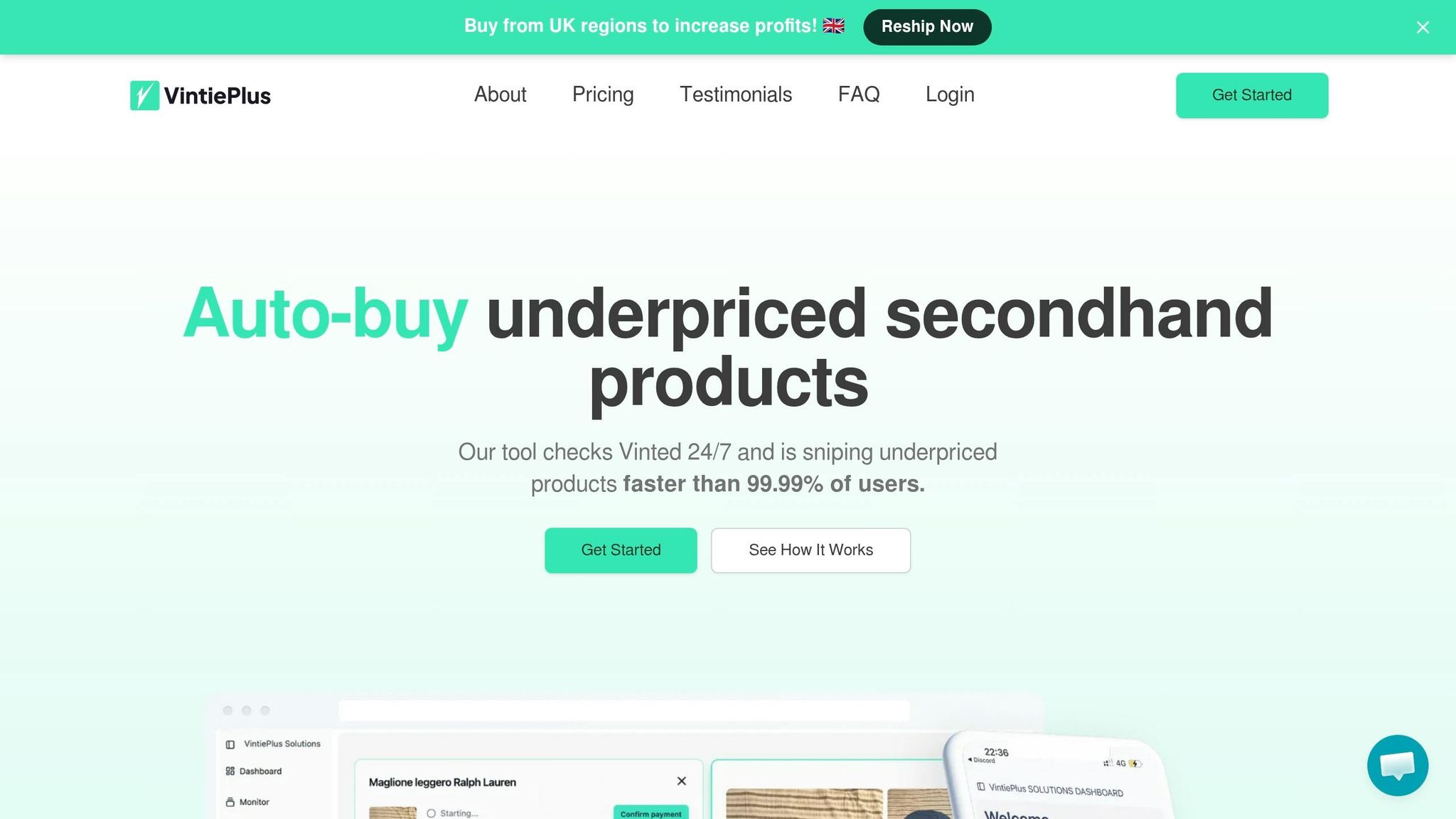
VintiePlus is a tool designed to monitor marketplaces around the clock, looking for items that match your exact preferences - whether it's a specific brand, price range, size, or condition. For example, if a Nike hoodie is listed for €15, its auto-buy feature can snap it up instantly. With more than 500 automated purchases happening daily across its 6,000+ users, speed is clearly a major advantage. The platform works seamlessly with Vinted, Marktplaats (in the Netherlands), and Tweedehands (in Belgium). It even offers a built-in reshipper service, enabling you to source items from the UK.
The platform's granular filters - like "Nike hoodies, Grade A, max €20" - help you target high-margin items effectively. Users report a 98% success rate for targeted purchases. One user, JurjenV, shared his experience:
"Less than 6 months in the server and I've already flipped over €20K. For €20 per month, you can only make money."
VintiePlus doesn't just help with sourcing; it also automates key sales tasks. Features like one-click reposting ensure your listings stay visible, auto-offers engage potential buyers, and batch label printing simplifies order fulfilment. Plus, its analytics tools identify top-performing brands and profit margins, helping you refine your inventory strategy based on actual data.
Strategies for Scaling Your Vintage Business
If you're ready to scale, combining automation with effective inventory management is the way forward. Here's how to do it:
- Batch Processing: Dedicate 2–3 hours to photograph 20–30 items in one session. Assign each item a unique SKU for easier tracking.
- Strategic Listing: Upload 2–3 items daily during peak hours (18:00–21:00) to align with marketplace algorithms and boost visibility.
- Niche Focus: Use analytics to find your best-selling items. For example, Nike clothing often sells within 5–10 days and delivers solid margins.
- Seasonal Pricing: Adjust your prices to reflect demand. Hoodies and jackets can fetch 20–25% higher prices from November to February, while summer items might see a 10% dip in sales during July and August.
Shipping, VAT, and Legal Requirements for EU Sellers
Expanding your vintage business across Europe brings exciting opportunities, but it also means navigating shipping rules, VAT obligations, and legal paperwork. While it may seem daunting at first, once you get the hang of these essentials, staying compliant becomes much easier.
VAT and the Margin Scheme
For most vintage resellers, the Margin Scheme is the go-to VAT system. Under this scheme, VAT is only applied to your profit margin - the difference between what you paid for an item and what you sold it for. However, you can't reclaim VAT on the purchase of your stock. On the bright side, you can still reclaim VAT on business-related expenses like shipping materials or packaging supplies.
If your annual sales to customers in other EU countries exceed €10,000, you'll need to charge VAT based on the destination country's rate instead of your local rate. Thankfully, the One-Stop Shop (OSS) system simplifies this process, allowing you to file a single quarterly VAT return for all cross-border sales. This saves you the headache of registering for VAT in every EU country where you sell.
Sales Monitoring and Business Registration
Marketplaces like Vinted are required to monitor and report seller activity under the DAC7 directive. Once you exceed 30 transactions or €2,000 in annual sales, they automatically share your data with tax authorities. At this point, registering as a business becomes necessary. The cost of registration is relatively low, typically ranging from €50 to €75 as a one-time fee.
Cross-Border Shipping and Import Documentation
If you're importing vintage items from outside the EU, you'll need an EORI number (Economic Operators Registration and Identification) to deal with customs. Proper classification of goods using HS codes is also essential to determine applicable tariffs. Starting 1 July 2026, a fixed import duty of €3 per product type will apply to e-commerce shipments valued up to €150.
For shipments within the EU, customs declarations aren't required, but maintaining accurate commercial records is crucial for VAT and accounting purposes. Keeping track of these details ensures smoother operations and fewer surprises down the line.
Record-Keeping and VAT Compliance
Organized record-keeping is a must. VAT invoices and supporting documents must be stored for six to ten years. If you're using a warehouse or fulfillment service in another EU country, such as Germany, you may need to register for VAT locally, even if your cross-border sales are under €10,000. Additionally, validating your suppliers' VAT numbers through the EU VIES service ensures you can issue tax-free B2B invoices.
Conclusion
Creating a thriving vintage wholesale business in Europe revolves around three main elements: dependable sourcing, strategic use of automation, and maintaining solid profit margins. Transitioning from the uncertainty of thrifting to the reliability of buying in bulk ensures a steady inventory and more predictable profits. Partnering with trustworthy suppliers is crucial for consistent turnover and profitability.
Narrowing your focus can set you apart. Specialising in niches like Y2K styles, 90s sportswear, or popular brands such as Nike and Ralph Lauren makes it easier to carve out a unique space in the competitive second-hand market. With platforms like Vinted seeing a surge in users - especially among Gen Z - the demand for pre-owned fashion is only growing.
Automation tools, like VintiePlus, are game-changers. These tools monitor platforms around the clock, snap up undervalued items before others do, and offer insights into pricing to optimise your profits. This kind of automation allows you to scale your business efficiently, turning a side hustle into a full-time venture without requiring constant attention. Pairing automation with consistent and strategic listing practices builds a strong foundation for growth.
Consistency is everything. Aim to upload 2–3 items daily instead of overwhelming the platform with bulk uploads. Use SEO-friendly titles (Brand + Item + Fit + Colour) and post during high-traffic times, like 18:00–21:00, to maximise visibility. Reinvest a portion of your earnings - around 40–50% - into fresh stock, and target a markup of 100–300%, depending on the brand and rarity of the item.