
Buy from UK regions to increase profits! 🇬🇧 Reship Now
Company Logo

VintiePlus

Vintage Fashion Sizing Guide Generator

Vintage Fashion Sizing Guide Generator

Published on: March 30, 2026

Discover the Perfect Fit with a Vintage Clothing Sizing Tool

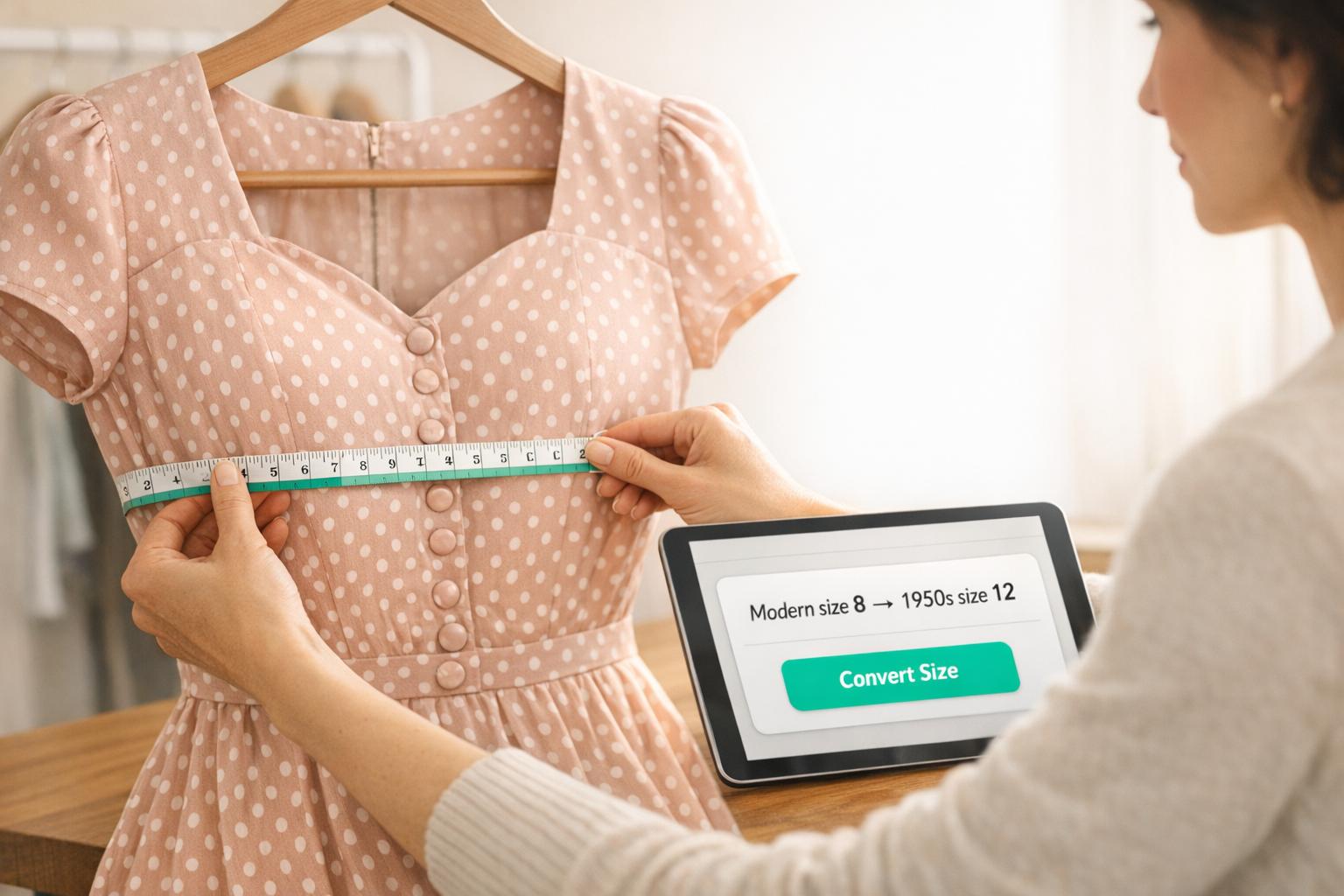
Shopping for retro fashion is like stepping into a time machine—full of charm, but sometimes confusing when it comes to fit. If you’ve ever fallen for a 1960s shift dress or a 1980s blazer only to find the size tag makes no sense, you’re not alone. Sizing standards have shifted dramatically over the decades, influenced by changing body ideals, manufacturing quirks, and even cultural trends. A tool designed to bridge that gap can be a game-changer for vintage enthusiasts. By simply entering your current measurements and the decade of the piece, you can uncover a tailored suggestion that accounts for historical differences.

Beyond just numbers, understanding how garments were cut in specific eras adds depth to your shopping experience. For example, the nipped-in waists of the 1950s often mean a smaller fit compared to today’s looser silhouettes. Pair that insight with a reliable conversion guide, and you’re far less likely to end up with a piece that doesn’t suit. Whether you’re hunting for a flapper dress or shoulder-padded jacket, taking a moment to decode the fit ensures your treasure looks as good on you as it does in your imagination. So, next time you’re browsing a thrift shop or online vintage boutique, arm yourself with the right resources to shop smarter!

Never Miss a Deal Again

Get instant alerts when new items match your criteria. Be the first to grab the best vintage finds on Vinted.

Lightning-fast alerts
Custom filters
Instant notifications
View Pricing

Frequently Asked Questions

Vintage sizing varies because clothing standards have evolved over the decades. Back in the 1950s, for instance, sizes ran smaller due to different body ideals and measurement methods—waists were often cinched, and vanity sizing wasn’t a thing yet. By the 1980s, sizing started to loosen up a bit, but it still doesn’t match today’s more standardized charts. That’s why a modern size 8 might not equate to a vintage 8, and why our tool adjusts for those historical shifts to help you find a closer match.

Our tool gives a solid starting point based on historical data and conversion trends, but vintage pieces can still vary wildly due to handmade elements, wear over time, or unique brand standards. I always tell folks to treat the result as a guide, not gospel. Check the seller’s specific measurements for bust, waist, and hips whenever possible. That extra step can save you from a return hassle or a disappointing fit!

If the exact decade isn’t in our dropdown, pick the closest era to get a rough estimate—fashion sizing didn’t change drastically year to year. For anything super niche or pre-1920s, though, sizing gets trickier due to less standardized manufacturing. Drop us a note if you’re stumped, or look for detailed seller notes on the garment. Ultimately, measurements trump labels every time with older pieces.