
Rare vinyl pressings are highly sought after by collectors and can sell for hundreds or even thousands of euros. Identifying them requires attention to specific details like matrix codes, label designs, and catalog numbers. Here's a quick guide:
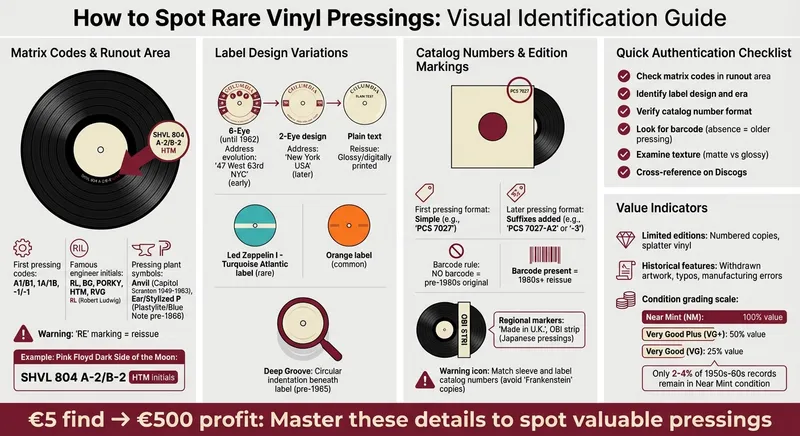
- Matrix Codes in Runout Area: Look for etchings like "A1/B1" or initials from mastering engineers (e.g., "RL" for Robert Ludwig). These often indicate first pressings.
- Label Variations: Early pressings may feature unique logos, colors, or text, such as Columbia’s "6-eye" logo used until 1962.
- Catalog Numbers: Simpler formats (e.g., "PCS 7027") often point to early pressings. Barcodes on sleeves usually mean a reissue.
- Limited Editions: Numbered copies or unique designs like splatter vinyl increase a record's rarity and value.
- Historical Features: Withdrawn artwork, typos, or manufacturing errors can make certain editions collectible.
Tools like Discogs and collector forums are invaluable for verifying pressing details and market value. For resellers, using autobuy tools to spot these rare editions can turn a €5 find into a €500 profit.
How to Identify Rare Vinyl Pressings: A Step-by-Step Visual Guide
How To Identify Record Pressings... (Understanding Deadwax/ Runout Codes on Vinyl Records)
sbb-itb-d4aa959
How to Identify Rare Vinyl Pressings
Rare vinyl records don’t come with flashing signs pointing to their value. Instead, their rarity lies in subtle details - etched codes, label designs, and catalog numbers. By focusing on these clues, you can uncover genuine first pressings and distinguish them from reissues.
Check Matrix and Runout Etchings
The runout, also known as the dead wax, is the smooth area between the last groove and the center label. This space often contains codes that reveal the pressing details, such as the master and cut version. For example, first pressings typically display early codes like "A1/B1", "1A/1B", or "-1/-1" on both sides of the record.
Some engineers leave their mark in the dead wax, making their work instantly recognizable. Look out for initials like "RL" (Robert Ludwig), "BG" (Bernie Grundman), "PORKY" or "A PORKY PRIME CUT" (George Peckham), and "HTM" (Harry T. Moss). For instance, the UK first pressing of Pink Floyd’s The Dark Side of the Moon can be identified by its matrix code "SHVL 804 A-2/B-2" and the "HTM" initials. Similarly, the rare "hot mix" of Led Zeppelin II, known for its superior sound quality, can be identified by the "RL" etching in the runout.
Symbols from pressing plants also provide valuable insights. For example, the anvil symbol indicates Capitol’s Scranton plant (active from 1949–1963), while Blue Note records pressed by Plastylite before 1966 often feature the "ear" symbol (a stylized P). To spot these faint etchings, use angled lighting or a magnifying glass, then cross-check your findings on platforms like Discogs or vinyl forums. Be cautious of "RE" markings in the matrix or catalog number, as these indicate reissues rather than original pressings.
Examine Record Label Design and Variations
The design of a record label can reveal a lot about its production era. Record companies frequently updated their logos and designs, making these changes a useful tool for identifying early pressings. For instance, Columbia Records used its iconic "6-eye" logo until 1962, before switching to the "2-eye" design and later plain text versions. Early pressings might also include specific addresses like "47 West 63rd NYC", while later reissues display broader identifiers such as "New York USA".
"Label variations are 'Vinyl 101.' They change over time - and those changes help pinpoint the era." – Recycled Records LP
Original labels often have a matte or rough texture, whereas modern reissues are typically glossy or digitally printed. Colour schemes can also indicate a record’s rarity. For example, the turquoise Atlantic label on early copies of Led Zeppelin I was replaced with an orange version, making the turquoise label far more valuable. Another marker of early pressings is the "Deep Groove" - a circular indentation beneath the label, commonly found on records made before 1965. Additionally, printing errors or typos on early labels, which were corrected in later runs, can serve as distinguishing features.
Look for Catalog Numbers and Edition Markings
Catalog numbers act as a roadmap for identifying rare editions. First pressings often have simpler formats, like "PCS 7027", compared to later versions that may include suffixes like "-A2" or "-3". Records produced before the early 1980s typically lack barcodes on their sleeves, as barcodes only became standard in the 1980s.
"If you can see a barcode on the sleeve, then you likely are not in possession of a first press. Original pressings from before the 80s simply did not feature a barcode on the sleeve, period." – Notes on Vinyl
To verify authenticity, cross-check catalog numbers on the sleeve and label with online databases. Ensure they match; mismatched numbers could indicate a "Frankenstein" copy, where a rare sleeve has been paired with a common disc. Don’t rely solely on the copyright date on the back cover, as this often reflects the original artwork’s copyright rather than the pressing date, especially for reissues. Lastly, regional markings like "Made in U.K." or the presence of an OBI strip on Japanese pressings can signal editions that are particularly sought after by collectors. These steps are crucial for identifying high-value vinyl, especially for those looking to resell rare records.
Tools and Resources for Verifying Rare Vinyl
Once you've identified the physical markers of a vinyl record, the next step is to confirm its rarity and market value. With the right tools, you can verify pressing details, track price trends, and even spot hidden gems before other collectors catch on.
Online Databases and Collector Communities
Discogs is an essential resource for any vinyl collector. By searching for catalog numbers, barcodes, or matrix codes, you can verify pressing details with ease. As of 2025, Discogs boasts over 18 million listings, making it the go-to platform for identifying specific pressings. Its "Master Release" feature groups all versions of an album together, helping you navigate complex discographies. For instance, Pink Floyd's Dark Side of the Moon has been pressed more than 400 times, and the "Find Your Version" tool can pinpoint the exact one you’re holding.
"Discogs is a music discovery and record collecting platform empowered by a community of obsessed fans from all over the world." – Discogs
Discogs also offers a real-time sales history feature, which calculates the lowest, median, and highest prices based on the 30 most recent sales of a specific pressing. Pricing is often tied to the Goldmine Standard, a widely used grading system that evaluates a record's condition, from Mint to Poor. Tools like Discogs' barcode scanner and matrix code comparison feature are invaluable for distinguishing between pressings that share catalog numbers.
For more niche insights, communities like the Steve Hoffman Forums and Reddit's r/vinyl are great places to learn about subtle pressing differences or rare "hot mixes". Websites like 45cat and 33rpm Club provide detailed information on label and artwork variations. Additionally, the Discogs "Master List of runout information" is a treasure trove for decoding pressing plant symbols and engineer initials.
Using VintiePlus for Marketplace Monitoring
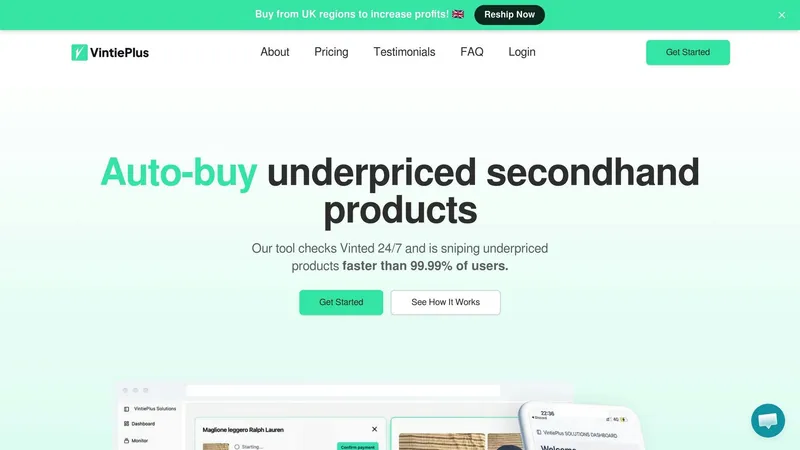
Once you've verified pressing details, tools like VintiePlus can help you monitor marketplace trends. This platform automates the search for underpriced rare pressings, scanning multiple marketplaces 24/7 and alerting you when a match appears. VintiePlus allows you to set custom filters based on catalog numbers, label designs, or matrix codes - the same markers you've already learned to identify.
The platform also features an auto-buying option, which can secure valuable records the moment they’re listed. For those focused on reselling, VintiePlus offers advanced profit analytics to track which pressings yield the highest returns. Its pricing plans include:
- Basic Plan (€29,95/month): Includes 10 custom filters and auto-buy functionality.
- Pro Plan (€69,95/month): Adds unlimited filters and low-priority sniper access.
- Ultimate Plan (€109,95/month): Offers high-priority sniper access for maximum advantage.
These features make it easier to stay ahead in a competitive market.
Collector Guides and Reference Books
Printed guides and reference books are excellent for understanding pressing nuances. The Goldmine Standard remains the industry benchmark for grading record condition, while label-specific discographies can help you identify design changes, such as Columbia's shift from "6-Eye" to "2-Eye" logos, which indicate production eras.
Familiarizing yourself with key engineer signatures is also crucial. Names like "RL" (Robert Ludwig), "RVG" (Rudy Van Gelder), and "Porky" (George Peckham) often signal highly collectible pressings. The Discogs Master List (Version 8) is an excellent resource for decoding these initials and pressing plant symbols. Additionally, physical details like "flip-back" sleeves - a feature common in early UK and European albums - can help you date a record, as this style was phased out in the late 1960s.
Barcodes can be another quick authenticity check. If a record from the 1960s or 1970s has a barcode, it’s a reissue, as barcodes weren’t introduced until the early 1980s. Mobile tools like the Discogs app make it easy to cross-reference sales history and pressing details while browsing in shops or markets.
How to Evaluate and Price Rare Vinyl
Once you've identified a record's rarity through its physical details, the next step is to assess its condition and gauge market demand. These two factors - condition and demand - are crucial in determining a fair price. Proper evaluation ensures you avoid overpaying or underselling.
Grade Vinyl Condition Accurately
The condition of a vinyl record is one of the biggest factors in its value. As Goldmine Magazine explains:
"Condition is everything. It's what separates a pristine disc from a scratched-to-death one; and determines whether a record is worth $1,000 or $1".
The Goldmine Standard is widely used for grading, with categories ranging from Mint to Poor. A Near Mint (NM) record typically holds 100% of its market value, while a Very Good Plus (VG+) version is valued at about 50% and a Very Good (VG) copy drops to around 25% [28,29,30].
To evaluate, inspect the vinyl under bright light for scratches, spindle marks, or loss of gloss. Play the record to catch any subtle audio flaws that visual checks might miss. Cleaning the record can help distinguish between surface dirt and permanent damage. Always grade the vinyl and its sleeve separately - a Near Mint record with a worn cover must be priced accordingly [27,29].
Keep in mind that only 2% to 4% of records from the 1950s and 1960s remain in true Near Mint condition today. Be conservative with your grading; overgrading can harm your reputation and lead to disputes with buyers [29,30]. Also, check for warps by spinning the record on a turntable - any rise or dip could signal playback issues.
Track Market Trends and Collector Demand
After determining the record's condition, the next step is to understand its market value by tracking trends and demand. Start by identifying the exact pressing using matrix codes, which are unique identifiers etched into the vinyl. These codes reveal specific details about the pressing and its market value.
Platforms like Discogs allow you to search by matrix codes (e.g., "SHVL795A-7 HTM") and provide a Statistics section showing the lowest, median, and highest prices based on the 30 most recent sales [21,33,34]. For additional insights, use eBay's "Sold Items" filter to see actual sale prices from the last 60 days, rather than just the asking prices [33,34].
For high-value records, long-term trends can be tracked through archive sites like Popsike and Gripsweat, which compile historical auction data [34,35]. On Discogs, comparing the number of "Haves" (owners) to "Wants" (seekers) can indicate demand levels. A high "Wants" count relative to "Haves" suggests strong interest, which can justify higher pricing.
Market conditions aren't static - they fluctuate based on seasonal demand, reissues, and market saturation. For example, if many copies are listed below the median price, it may signal declining demand, while listings above the median often point to rising interest. The Discogs median value remains a reliable benchmark for pricing. Additionally, original inserts like posters or lyric sheets can add considerable value to a record.
Conclusion: Getting Better at Spotting Rare Vinyl Pressings
Recognizing rare vinyl pressings is a skill that blends careful observation, technical know-how, and a bit of market savvy. The process starts with the deadwax - those etched matrix codes and mastering marks like "RL" or "RVG" are some of the most dependable clues. Pair this physical inspection with online tools like Discogs for cross-referencing. Joining collector communities, such as the Steve Hoffman forums or Reddit's r/vinyl, can also help you uncover nuances that databases might not capture. This mix of hands-on evaluation and digital research forms a solid foundation for identifying rare records.
Over time, spotting features like Columbia's "6-Eye" label or flip-back sleeves becomes second nature. What might initially require careful scrutiny will eventually feel like instinct.
Once your inspection skills are polished, incorporating advanced reselling tools can take your efforts to the next level. For resellers, tools like VintiePlus offer real-time monitoring, automatic purchasing, and profit-tracking features, helping you snag undervalued records and stay ahead of market trends.
Authentication is non-negotiable in today’s vinyl landscape. The growing popularity of records has unfortunately led to a rise in counterfeits, making reliable verification tools essential for safeguarding both your investment and your reputation. Strengthen your approach by connecting with local record shops and active online communities, reinforcing the strategies outlined earlier. By building these habits, you'll turn vinyl hunting into a methodical and rewarding process.